Overview
Chapters
Notes 0
Numbers
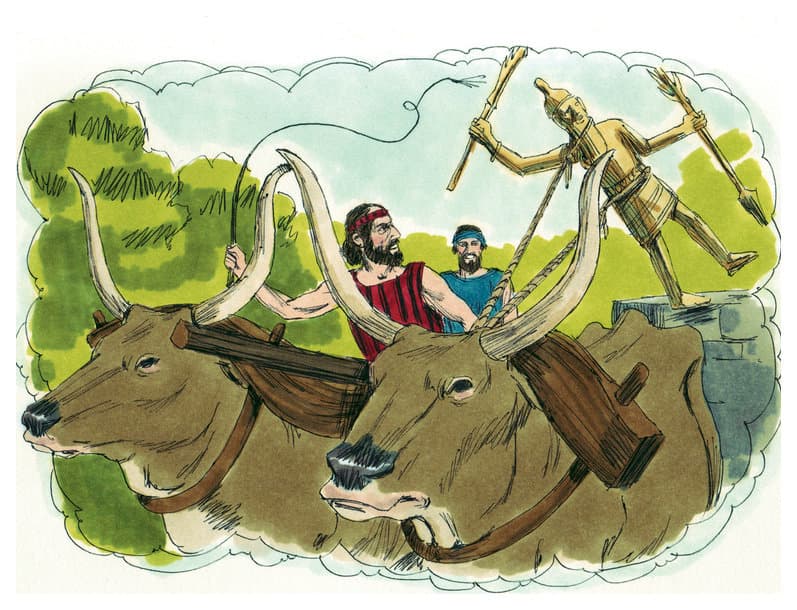
Wilderness Journey and Conquest of Canaan
About Numbers
Numbers is the fourth book of the Pentateuch and is traditionally attributed to Moses. It records the experiences and numbering of the Israelites during their forty years of wandering in the wilderness after escaping slavery in Egypt. Its major figures include Moses, Aaron, Miriam, Joshua, and Caleb. Numbers contributes to Christian doctrine by showing God’s faithfulness to his covenant with Israel despite Israel’s disobedience and unbelief. Unlike the other books of the Pentateuch, Numbers is a mixture of history and law: it is neither primarily legal material, as in Leviticus, nor primarily narrative, as in Genesis, but records both the history and laws of the Israelites during their journey through the wilderness.
Why Numbers Was Written
Numbers was written to record the history of the Israelites’ journey from Mount Sinai to the plains of Moab, on the borders of the Promised Land. The book was written during the forty-year period of wandering, around 1400–1200 BC. It was significant because it reminded the Israelites of God’s faithfulness and of their own failures. It also greatly influenced the understanding of Israel’s history in other versions of the Bible.
Key Themes in Numbers
The key themes of Numbers are God’s faithfulness, the importance of obedience, and the consequences of sin. It emphasizes the fulfillment of God’s promises despite human disobedience and the need to trust in those promises.
Key Verses in Numbers
Numbers 14:18 (NKRV)
여호와는 노하기를 더디하시고 인자가 많아 죄악과 허물을 사하시나 형벌 받을 자는 결단코 사하지 아니하시고 아버지의 죄악을 자식에게 갚아 삼사대까지 이르게 하리라 하셨나이다
Numbers 14:33-34 (NKRV)
너희의 자녀들은 너희 반역한 죄를 지고 너희의 시체가 광야에서 소멸되기까지 사십 년을 광야에서 방황하는 자가 되리라 너희는 그 땅을 정탐한 날 수인 사십 일의 하루를 일 년으로 쳐서 그 사십 년간 너희의 죄악을 담당할지니 너희는 그제서야 내가 싫어하면 어떻게 되는지를 알리라 하셨다 하라
Numbers 15:26 (NKRV)
이스라엘 자손의 온 회중과 그들 중에 거류하는 타국인도 사함을 받을 것은 온 백성이 부지중에 범죄하였음이니라
Numbers 23:19 (NKRV)
하나님은 사람이 아니시니 거짓말을 하지 않으시고 인생이 아니시니 후회가 없으시도다 어찌 그 말씀하신 바를 행하지 않으시며 하신 말씀을 실행하지 않으시랴
Numbers 25:13 (NKRV)
그와 그의 후손에게 영원한 제사장 직분의 언약이라 그가 그의 하나님을 위하여 질투하여 이스라엘 자손을 속죄하였음이니라
Read Numbers 1
Organizing Israel’s Army
Read Numbers 2
Israel’s Tribal Camp Arrangement
Read Numbers 3
Priests and Levites: Distinct Roles
Read Numbers 4
Levites’ Duties in the Tabernacle
Read Numbers 5
Purity and Jealousy Laws
Read Numbers 6
Nazirite Vows and Blessing
Read Numbers 7
Leaders’ Offerings and Levite Service
Read Numbers 8
Levites Prepared for Holy Service
Read Numbers 9
Israel Celebrates the Passover
Read Numbers 10
Trumpets and Israel’s First Journey
Read Numbers 11
Israel’s Complaints and Manna
Read Numbers 12
Moses, Miriam, and Aaron’s Conflict
Read Numbers 13
The Twelve Spies Explore Canaan
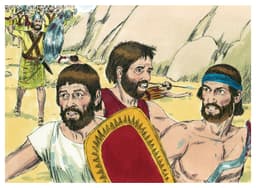
Read Numbers 14
Israel’s Unbelief and Faithful Report
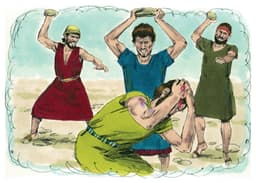
Read Numbers 15
New Instructions for Israel’s Offerings
Read Numbers 16
Korah, Dathan, and Abiram’s Rebellion
Read Numbers 17
God Confirms Aaron’s Priesthood
Read Numbers 18
Priestly Duties and Regulations
Read Numbers 19
The Red Heifer and Cleansing Water
Read Numbers 20
Moses’ Failure and Aaron’s Death
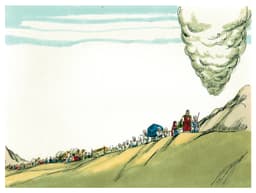
Read Numbers 21
Israel’s Victories and the Bronze Snake
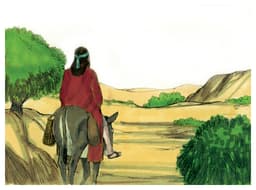
Read Numbers 22
Balaam Meets King Balak
Read Numbers 23
Balaam and Balak’s Prophetic Showdown
Read Numbers 24
Balaam’s Prophecy and Israel’s Blessing
Read Numbers 25
Israel’s Sin and God’s Anger
Read Numbers 26
New Census and Land Inheritance
Read Numbers 27
Inheritance and Joshua’s Appointment
Read Numbers 28
Offerings and Sacred Festivals
Read Numbers 29
Appointed Festivals and Offerings
Read Numbers 30
Regulations for Vows and Oaths
Read Numbers 31
Israel’s War Against Midian
Read Numbers 32
East of the Jordan: Reuben and Gad
Read Numbers 33
Israel’s Journey and God’s Instructions
Read Numbers 34
Canaan’s Boundaries and Land Allocation
Read Numbers 35
Cities of Refuge and Levite Towns
Read Numbers 36
Zelophehad’s Daughters’ Inheritance
< Prev Chapter
Next Chapter >
Leviticus 27
Vows and Dedicated Offerings
Numbers 1
Organizing Israel’s Army