Scripture
Summary
Notes 0
Exodus 21
Exodus 21 Bible Commentary
1
2
3
4
5
6
7
8
9
10
11
12
13
14
15
16
17
18
19
20
21
22
23
24
25
26
27
28
29
30
31
32
33
34
35
36
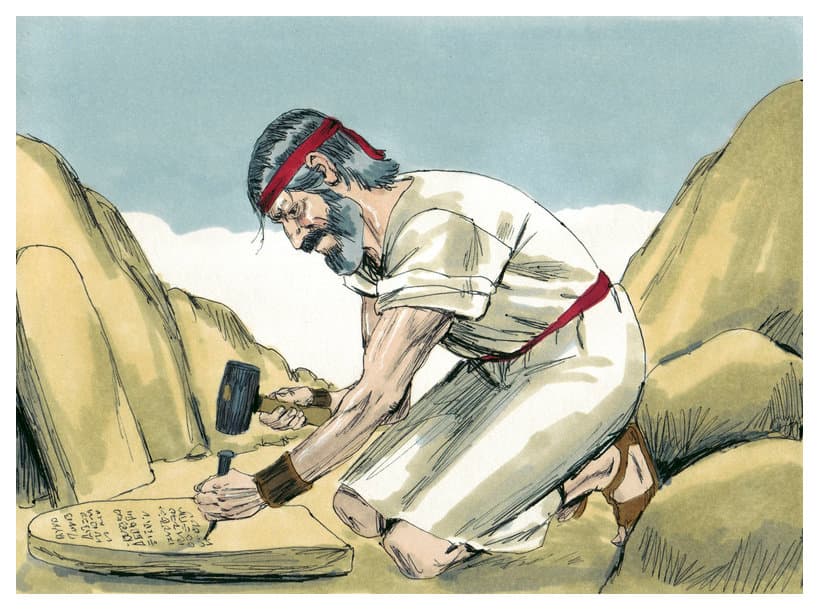
Laws for the People of Israel
Key Verses in Exodus 21
Exodus 21:12 (NIV)
About Exodus 21
Exodus 21 deals with various laws and regulations given to the Israelites. These laws primarily include guidelines concerning human relationships, social justice, and the protection of life and property, playing an important role in maintaining order and hope in Israelite society at that time. These laws were delivered by God through Moses, and through them the Israelites established ethical and moral standards.
This chapter includes regulations concerning slavery. Specific instructions are given regarding how slaves were to be managed and treated. In particular, it emphasizes that a Hebrew servant was to serve for six years and go free in the seventh year. This command established a framework in which slavery could be understood as a form of contracted labor.
The chapter also addresses penalties for violence and deliberate murder. It mentions specific punishments depending on whether a person caused someone’s death and whether the act was intentional, clearly distinguishing penalties according to intent and outcome. This shows that the Israelites valued human life and dealt strictly with violence.
Exodus 21 also includes regulations concerning compensation for injury and loss. When one person harms another’s body, fairness is to be maintained through payment for medical care and compensation for losses. In modern terms, this may be regarded as a concept that forms the basis of insurance or damages systems. We also see that compensation was required when animals caused injury or loss.
Overall, Exodus 21 provides an important legal framework for realizing justice and fairness in the daily lives of the Israelites and for maintaining social order. It helped Israel, as a community of faith, respect and protect one another and build a trustworthy society.
Videos for Exodus 21
Day 036 (Exodus 19-21)
The Bible Recap
Exodus 21-24 | Social Laws | Bible Study
Spoken Gospel
< Prev Chapter
Next Chapter >
Exodus 20
The Ten Commandments
Exodus 22
Moral Laws and Social Justice