Scripture
Summary
Notes 0
Exodus 38
Exodus 38 Bible Commentary
1
2
3
4
5
6
7
8
9
10
11
12
13
14
15
16
17
18
19
20
21
22
23
24
25
26
27
28
29
30
31
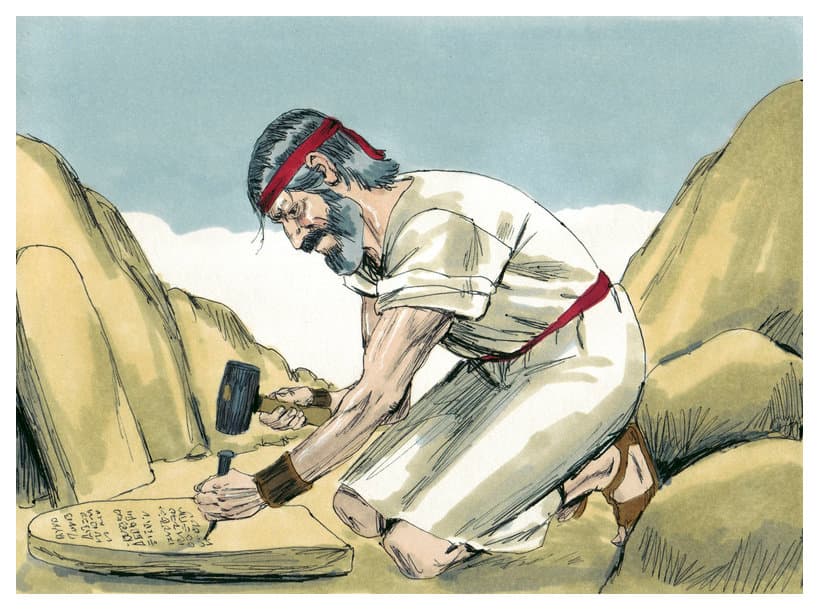
Building the Tabernacle and Accounting
Key Verses in Exodus 38
Exodus 38:8 (NIV)
About Exodus 38
Exodus 38 focuses on how the important furnishings of the tabernacle were made. This chapter describes the altar of burnt offering, the bronze basin, the posts and curtains of the courtyard, and matters related to the administration of the tabernacle. The craftsmen, including Bezalel, completed all the furnishings using the materials and methods God had commanded. The altar of burnt offering was used for the sacrifice of burnt offerings, while the bronze basin was used by the priests to wash their hands and feet before entering the tent of meeting. First, the altar of burnt offering was made of bronze, and its various features, including the bronze grating, were carefully constructed. All the utensils associated with the altar were also made of bronze. This symbolically displays the importance of worship and sacrifice. The altar also represented reconciliation between God and the Israelites and was regarded as a place of forgiveness and atonement.
Next, the bronze basin was made from the mirrors of the women who served at the entrance to the tent of meeting. The basin enabled the priests to perform purification rituals before entering the tabernacle. This symbolized that the priests had to stand clean before God and pointed to God’s holiness. It may also bring to mind ritual elements seen in magnificent cathedrals in large cities such as New York.
The courtyard of the tabernacle was also professionally designed. The curtains and entrance arranged in the four directions—east, west, south and north—were positioned to allow the Israelites to enter and leave. In particular, the posts had silver hooks and bands, while their bases were made of bronze to provide structural stability. This design indicates that the tabernacle was an important place for worship and service offered to God.
Finally, the amounts of the materials used in constructing the tabernacle, especially gold, silver and bronze, are recorded in detail. This signifies transparent management and use of the materials and shows how thoroughly the Israelites followed God’s commands. All the furnishings and materials of the tabernacle were used as symbols of service and worship offered to God.
Overall, Exodus 38 shows how thoroughly the Israelites obeyed God’s commands by describing in detail the construction and functions of the tabernacle and its furnishings. Through this, the tabernacle is shown to be more than a simple structure: it was a place of meeting with God and the center of worship and atonement.
Videos for Exodus 38

Day 042 (Exodus 36-38)
The Bible Recap

Exodus 35-40 | Building the Tabernacle | Bible Study
Spoken Gospel
< Prev Chapter
Next Chapter >
Exodus 37
Bezalel Makes the Tabernacle Furnishings

Exodus 39
Priestly Garments and Tabernacle Work