Scripture
Summary
Notes 0
Ezekiel 20
Ezekiel 20 Bible Commentary
1
2
3
4
5
6
7
8
9
10
11
12
13
14
15
16
17
18
19
20
21
22
23
24
25
26
27
28
29
30
31
32
33
34
35
36
37
38
39
40
41
42
43
44
45
46
47
48
49
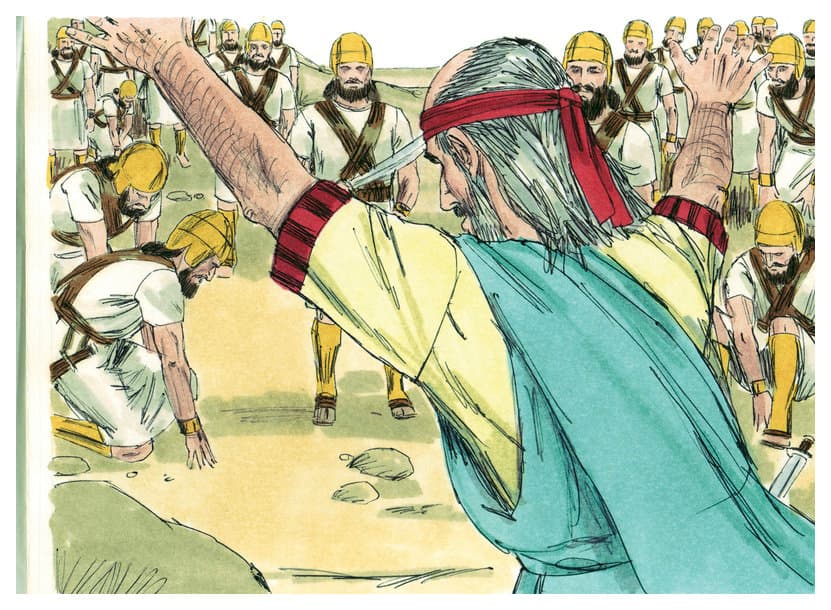
Israel’s Disobedience and God’s Patience
Key Verses in Ezekiel 20
Ezekiel 20:44 (NIV)
About Ezekiel 20
Ezekiel 20 records the message the prophet Ezekiel received from God and delivered to the elders of Israel concerning their repeated disobedience throughout their history and God’s patience. This chapter brings together a warning Ezekiel proclaimed to the people of Israel during the period when he was ministering among the exiles in Babylon (present-day Iraq). Here, Ezekiel speaks after receiving the word of the Lord.
Ezekiel begins by recalling how God guided the Israelites from the time they were enslaved in Egypt (present-day Egypt). God brought Israel out of Egypt and made a covenant with them, but the people continued to worship idols and disobey. This repeated disobedience continued even after the covenant at Mount Sinai and their settlement in the land of Canaan (present-day Israel and Palestine).
God disciplined them repeatedly for their disobedience, yet for the sake of his name he did not completely destroy Israel. This demonstrates the depth and strength of God’s covenant faithfulness and patience. Through this history, Ezekiel seeks to help the people of his own time recognize their sin, God’s justice, and his grace.
Finally, Ezekiel conveys a message of hope by alluding to Israel’s restoration and a new covenant. This anticipates that, through the Messiah who is to come, Israel will receive a new heart and spirit and be established as God’s true people. This interpretation is regarded as an important prophecy that leads to the redemptive work of Jesus Christ in the New Testament.
Ezekiel 20 once again reminds us of God’s justice and love through Israel’s past disobedience and God’s unfailing patience. It also emphasizes the importance of obedience and devotion to God’s word in the life of faith today.
Videos for Ezekiel 20

Day 244 (Ezekiel 18-20)
The Bible Recap

Ezekiel 20-21 | God’s Silence | Bible Study
Spoken Gospel
< Prev Chapter
Next Chapter >
Ezekiel 19
A Lament for Judah’s Royal House
Ezekiel 21
God’s Judgment Through Babylon