Scripture
Summary
Notes 0
Joshua 13
Joshua 13 Bible Commentary
1
2
3
4
5
6
7
8
9
10
11
12
13
14
15
16
17
18
19
20
21
22
23
24
25
26
27
28
29
30
31
32
33
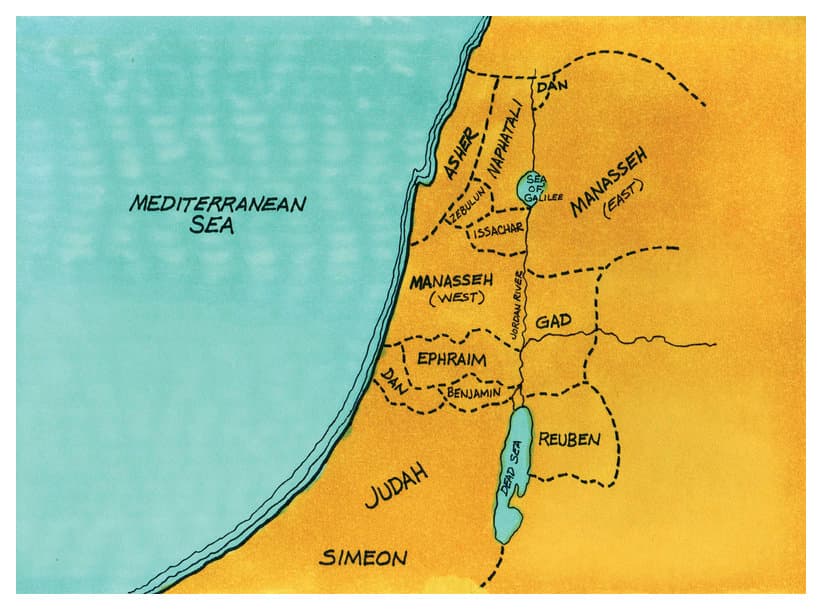
Land Distribution Begins
Key Verses in Joshua 13
Joshua 13:1 (NIV)
About Joshua 13
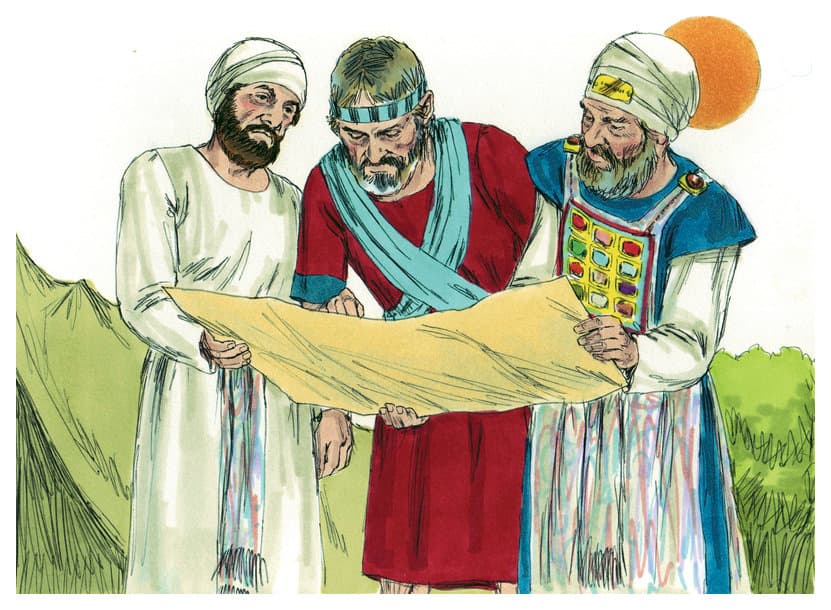
Joshua 13 describes the time when Joshua, now old, would withdraw from warfare, as well as the process of distributing the remaining portions of the land of Canaan that God had promised to Israel. Although Joshua was retiring from military activity, God reminded him that there was still a very large area of land to be taken over. First, Joshua received a general description of the lands that had not yet been conquered, and Israel’s descendants were promised that they would possess them. These included all the regions of the Philistines and Geshurites, the territory held by the five Philistine rulers, and various other regions, including the land of the Sidonians and Lebanon.
The following passage describes the land that Moses had already assigned east of the Jordan. This land was given to the Reubenites, the Gadites, and half of the tribe of Manasseh. These allocations had been made during Moses’ lifetime, while Joshua was entrusted with leading the new generation in taking possession of the land west of the Jordan.
As Joshua’s military activity came to an end, God instructed him to allocate the land among the tribes. Specific instructions were given concerning the boundaries and extent of the land assigned to each tribe. In this process, the tribe of Levi, unlike the other tribes, received not a significant portion of property but the Lord, the God of Israel, as its inheritance.
Ultimately, Joshua 13 emphasizes the continuing need for obedience and faith as Israel took possession of the land God had promised. God’s promise remained valid, and the Israelites were called to trust and follow him. This chapter remains an important memorial, reminding later generations of the heritage of faith and the fulfillment of God’s promises.
Videos for Joshua 13
Day 085 (Joshua 12-15)
The Bible Recap
Joshua 13-15 | Caleb and Judah | Bible Study
Spoken Gospel
< Prev Chapter
Next Chapter >
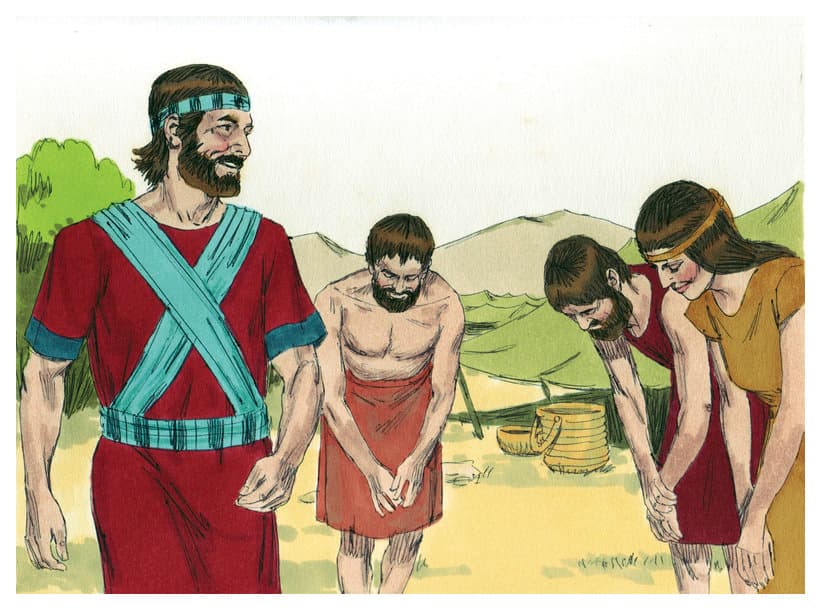
Joshua 12
Kings and Lands Conquered by Joshua
Joshua 14
Joshua Grants Caleb His Inheritance